
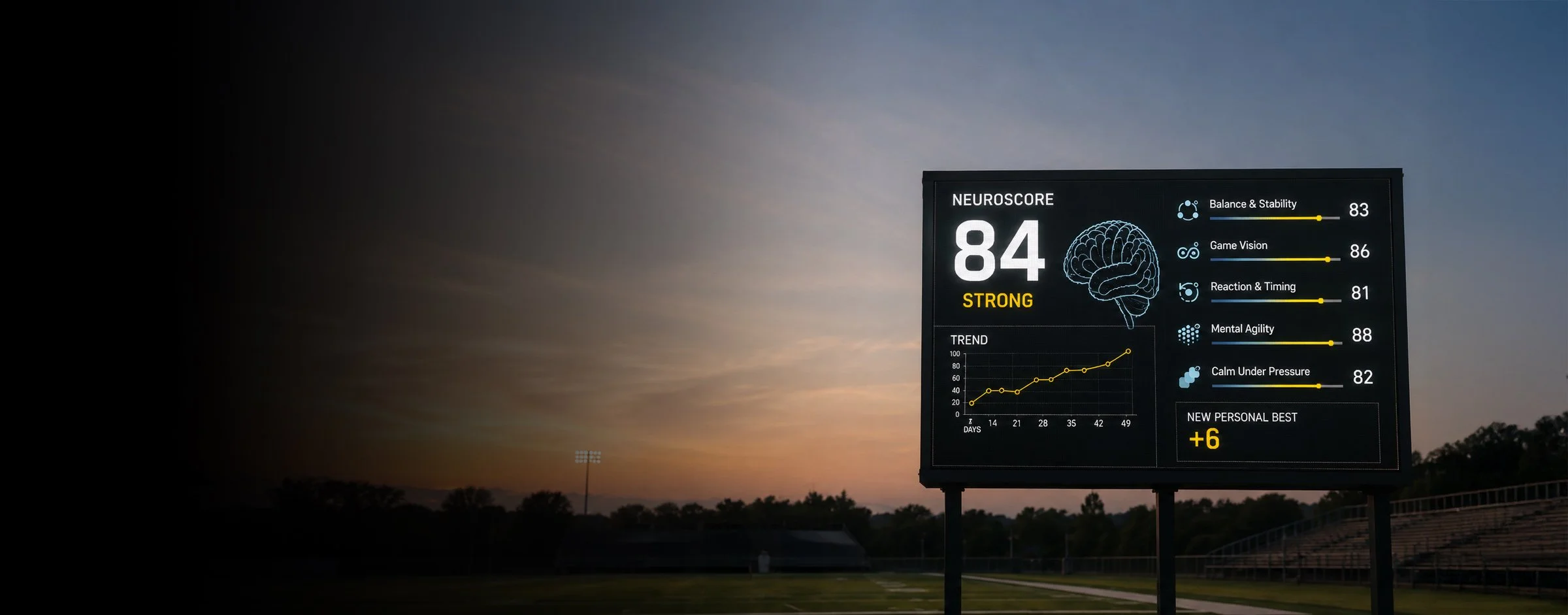
The science behind performance.
The brain: The next frontier in athletic development
For decades, sport has advanced through better strength training, conditioning, nutrition, biomechanics, recovery, and skill development.
Yet every movement, decision, and reaction begins in the brain. Before an athlete can accelerate, shoot, catch, hit, or change direction, the brain must gather information, process what is happening, decide, and coordinate movement.
Elite performance depends on integrated visual, balance, cognitive, motor, and autonomic systems working together in fractions of a second.
Research shows that many of these systems can be objectively assessed and can respond to targeted training. NeuroDrive organizes this science into five key performance systems.

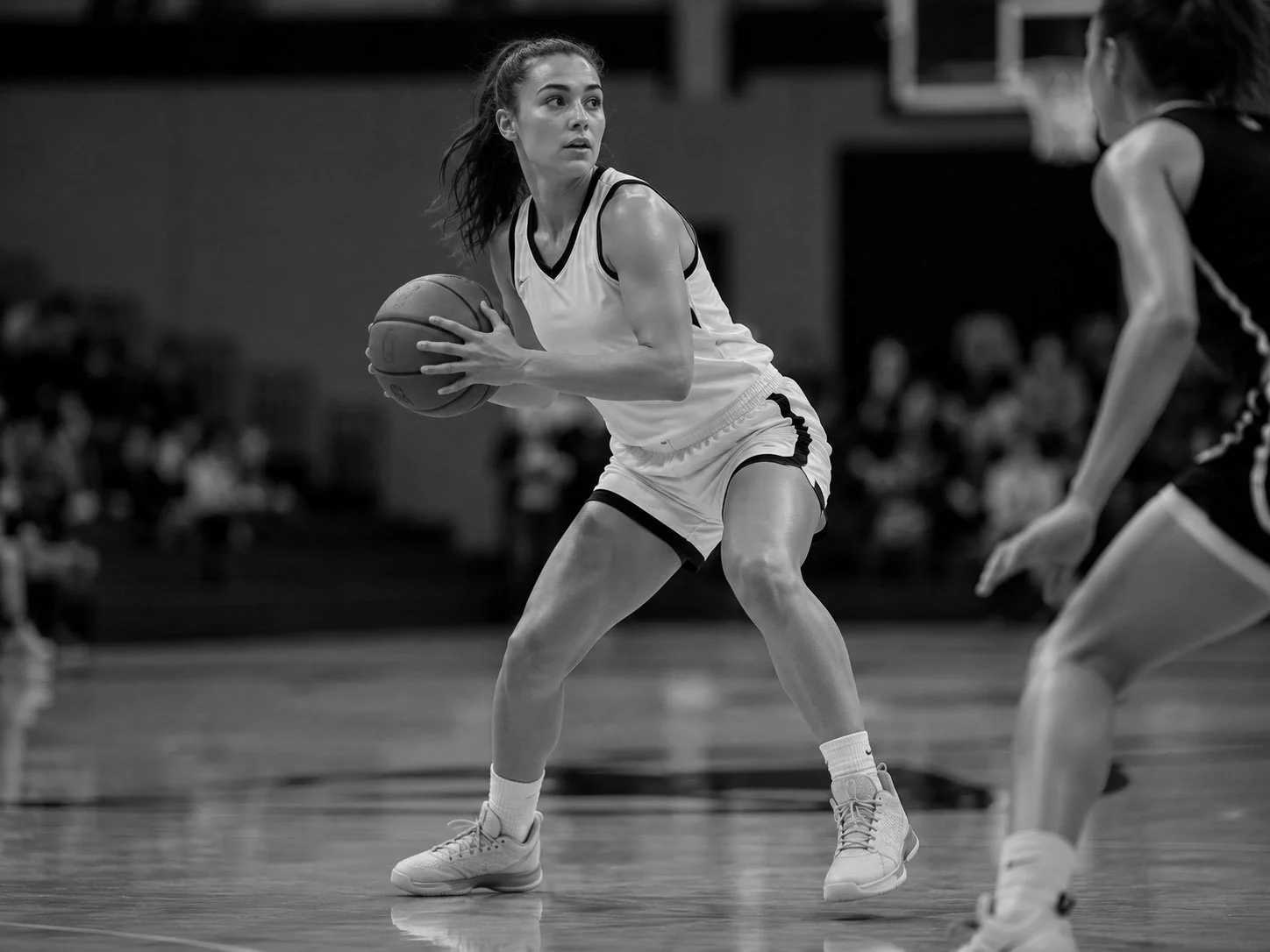
01 — Balance & Stability
The foundation for every athletic movement.
Every athletic movement begins with stability.
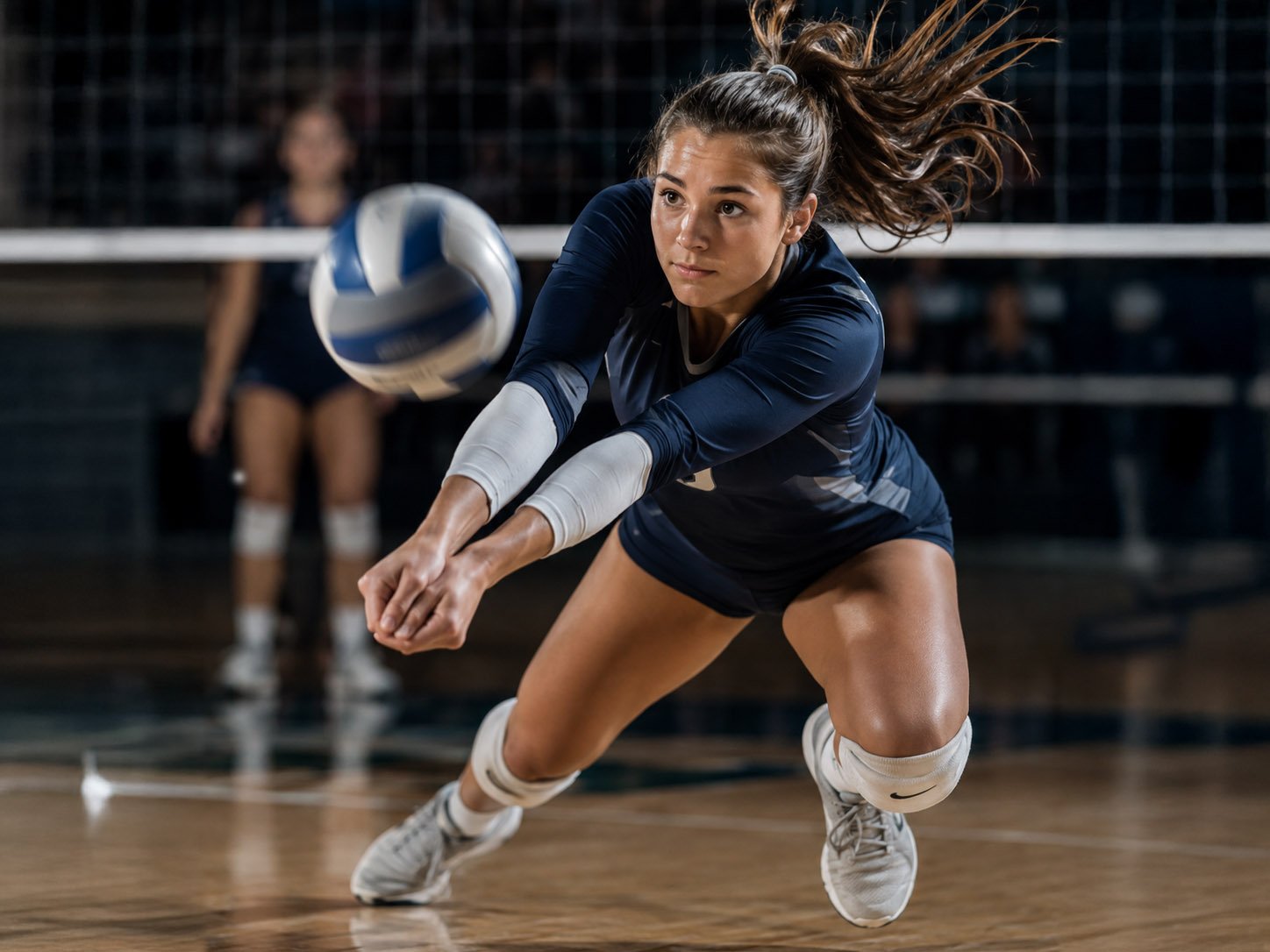
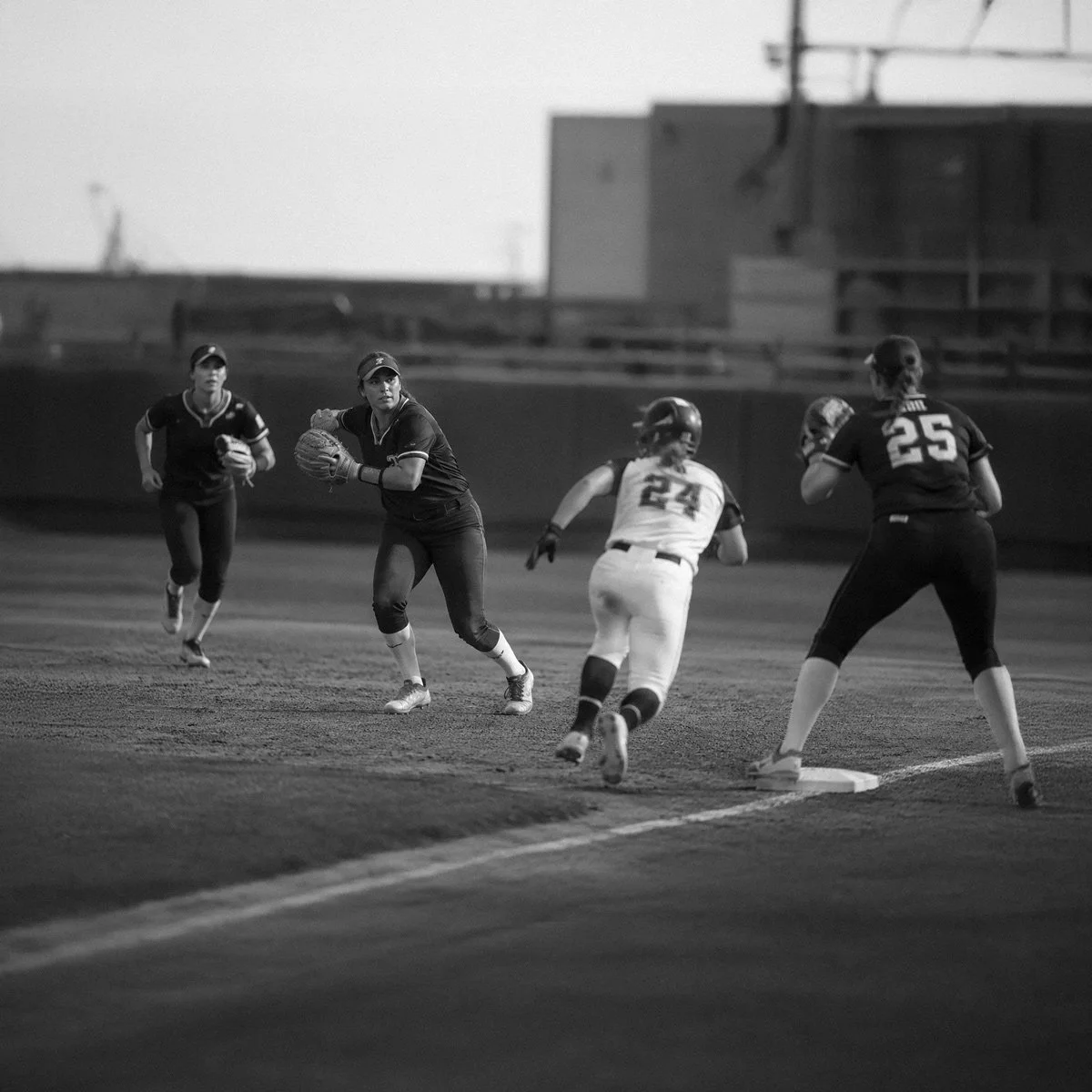
Whether landing from a rebound, cutting around a defender, skating through contact, or rotating through a baseball swing, the brain is constantly integrating information from the visual system, inner ear, muscles, and joints to maintain control.
This process happens automatically—and incredibly quickly.
When these systems work efficiently, athletes can stabilize their body while keeping their eyes focused on the game, allowing movement to remain controlled even in rapidly changing environments.
Balance isn't simply standing still. It's the ability to maintain visual and postural control while moving, reacting, and performing complex athletic skills.
Research has shown that postural control and sensory integration play important roles in athletic performance, movement efficiency, and injury resilience across many sports.
Key research
-
Horak, F. B. (2006). Postural orientation and equilibrium: What do we need to know about neural control of balance? Age and Ageing.
Peterka, R. J. (2002). Sensorimotor integration in human postural control. Journal of Neurophysiology.
Nashner, L. M. (1976). Adapting reflexes controlling the human posture.
Winter, D. A. (1995). Human balance and posture control during standing and walking. Gait & Posture.
Woollacott, M. H., & Shumway-Cook, A. (2002). Attention and the control of posture and gait. Gait & Posture.
-
Steindl, R., et al. (2006). Effect of age and sex on maturation of sensory systems and balance control. Developmental Medicine & Child Neurology.
Riach, C. L., & Hayes, K. C. (1987). Maturation of postural sway in young children.
Pizzigalli, L., et al. (2016). Posture and balance in healthy individuals: Standard values and assessment methods. Clinical Biomechanics.
Era, P., & Heikkinen, E. (1985). Postural sway during standing and unexpected disturbance of balance. Journal of Gerontology.
-
Herdman, S. J., & Clendaniel, R. A. Vestibular Rehabilitation.
Kandel, E., et al. Principles of Neural Science.
-
Guskiewicz, K. M. (2001). Postural stability assessment following concussion.
Clark, J. F., et al. (2015). Vision training methods for sports concussion mitigation and management.


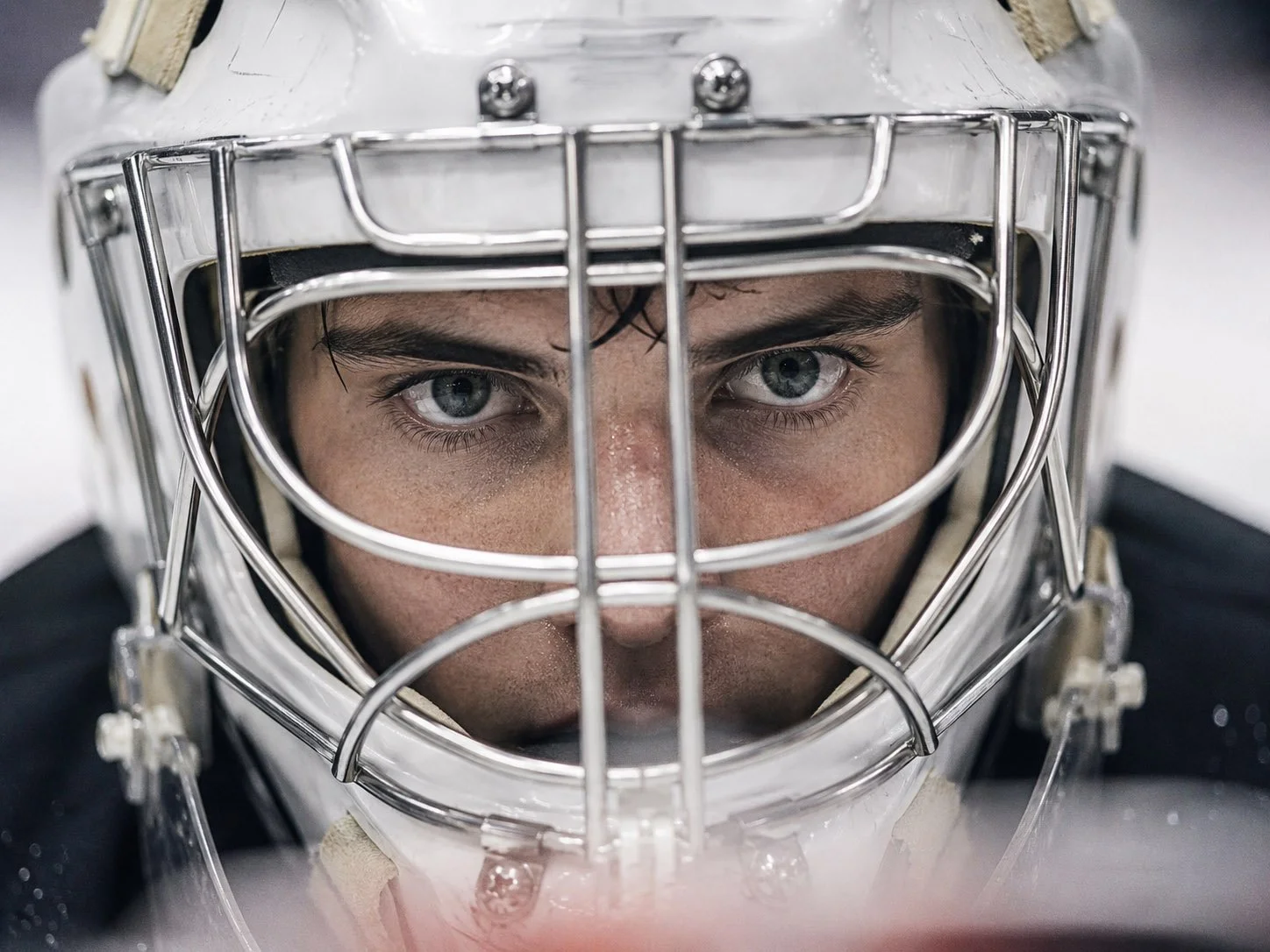
02 — Game Vision
Seeing the game before everyone else.
Elite athletes don't simply have "better eyesight."
They gather visual information more efficiently, recognize important cues sooner, track moving objects more accurately, and anticipate what happens next.
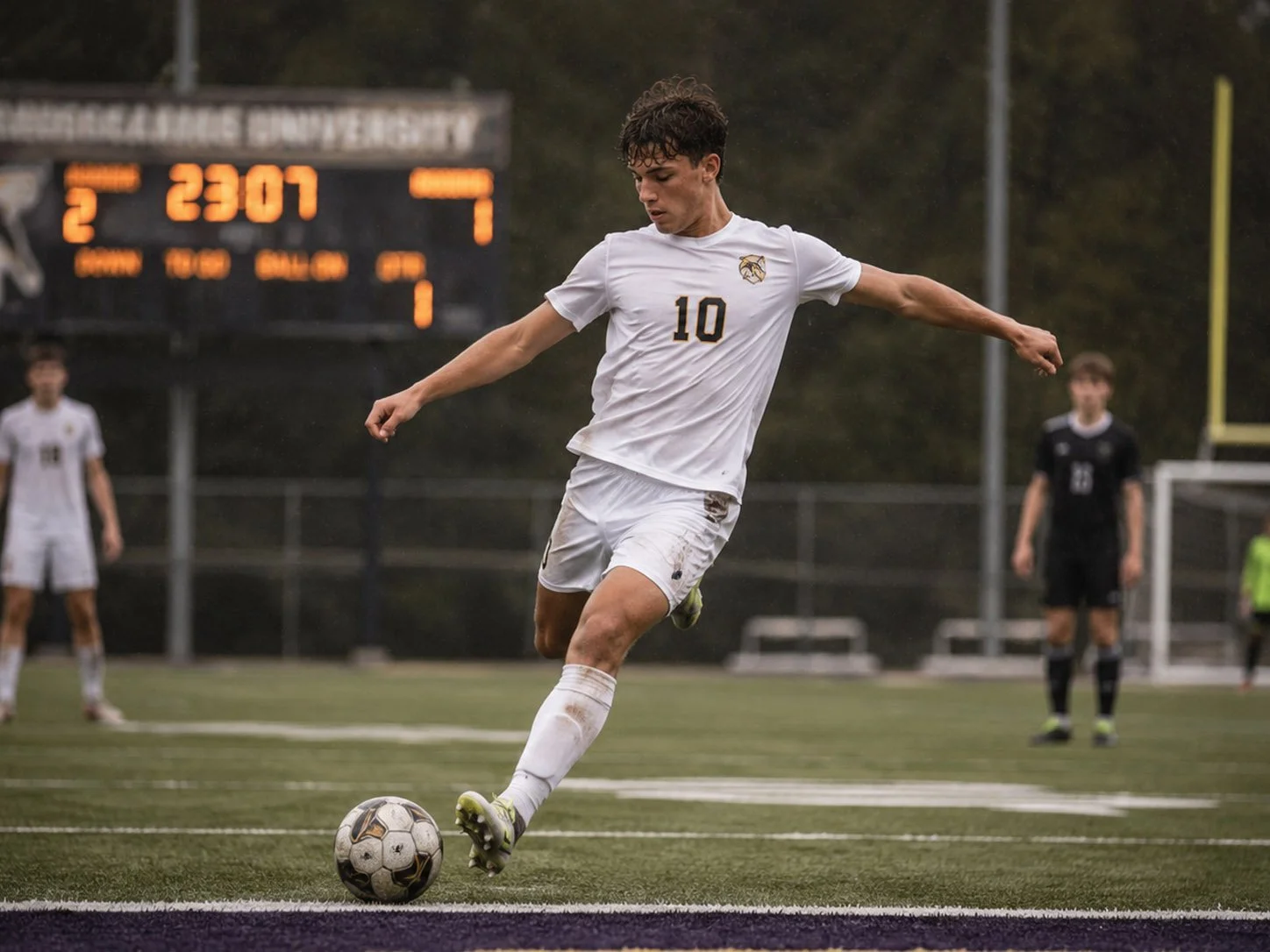
Whether it's a baseball hitter recognizing pitch spin, a hockey player tracking a puck through traffic, or a soccer midfielder scanning the field before receiving the ball, visual performance extends beyond visual acuity.
Game Vision relies on an integrated network of eye movement control, visual attention, motion processing, peripheral awareness, and visual decision-making. Smooth pursuit eye movements track moving objects, while rapid saccades shift attention between visual targets. Together, these systems help athletes gather information and make better decisions under pressure.
Research consistently shows that elite athletes demonstrate more efficient gaze behaviour, stronger visual search strategies, and stronger relationships between visual function and cognitive performance than non-elite athletes.
Key research
-
Appelbaum, L. G., & Erickson, G. (2018). Sports vision training: A review of the state-of-the-art in digital training techniques. International Review of Sport and Exercise Psychology.
Buscemi, A., D'Agostino, A., Biagini, I., et al. (2024). Role of Sport Vision in Performance: Systematic Review. Journal of Functional Morphology and Kinesiology.
Mann, D. T. Y., Williams, A. M., Ward, P., & Janelle, C. (2007). Perceptual-cognitive expertise in sport: A meta-analysis. Journal of Sport & Exercise Psychology.
Williams, A. M., Davids, K., & Williams, J. G. (1999). Visual Perception and Action in Sport. E & FN Spon.
Abernethy, B. (1996). Training the visual-perceptual skills of athletes. Sports Medicine.
-
Vickers, J. N. (2007). Perception, Cognition and Decision Training: The Quiet Eye in Action. Human Kinetics.
Vickers, J. N. (1996). Visual control when aiming at a far target. Journal of Experimental Psychology.
Williams, A. M., & Ford, P. R. (2008). Expertise and expert performance in sport.
-
Leigh, R. J., & Zee, D. S. (2015). The Neurology of Eye Movements (5th ed.).
Barnes, G. R. (2008). Cognitive processes involved in smooth pursuit eye movements. Brain and Cognition.
Krauzlis, R. J. (2004). Recasting the smooth pursuit eye movement system. Journal of Neurophysiology.
Lisberger, S. G. (2015). Visual guidance of smooth pursuit eye movements. Annual Review of Vision Science.
Robinson, D. A. (1964). The mechanics of human saccadic eye movement.
-
Sinno, S., Najem, F., Abouchacra, K. S., et al. (2020). Normative Values of Saccades and Smooth Pursuit in Children Aged 5–17 Years. Journal of the American Academy of Audiology.
-
Laby, D. M., et al. (1996). The Visual Function of Professional Baseball Players. American Journal of Ophthalmology.
Laby, D. M., Kirschen, D. G., Govindarajulu, U., & DeLand, P. (2019). The effect of visual function on batting performance in professional baseball players. Scientific Reports.
Omar, R., et al. (2017). Visual efficiency among teenaged athletes and non-athletes. International Journal of Ophthalmology.
Yang, M., Guo, Y., Yang, F., & Zhao, K. (2026). Exploring the association between visual skills and sport-specific performance in team athletes: A systematic review and meta-analysis. Frontiers in Physiology.

03 — Reaction & Timing
Precision happens in milliseconds.
The difference between making contact and swinging through a fastball.
Blocking a shot or arriving a fraction too late.
Winning a race to the puck or finishing second.
Often comes down to milliseconds.
Reaction time is only one part of the equation.
High-level performance also depends on timing, rhythm, coordination, and the brain's ability to synchronize perception with movement.
Elite athletes don't simply react faster—they react at precisely the right moment.
Research has demonstrated that efficient sensorimotor processing, coordinated motor timing, and rapid perception-action coupling are important characteristics of skilled athletic performance across many sports.
Key research
-
Jain, A., et al. (2015). A comparative study of visual and auditory reaction times. International Journal of Medical Science and Public Health.
Nakamoto, H., & Mori, S. (2008). Sport-specific decision-making in athletes.
Mori, S., Ohtani, Y., & Imanaka, K. (2002). Reaction times and anticipatory skills of athletes.
-
Schmidt, R. A., & Lee, T. D. Motor Control and Learning.
Wolpert, D. M., Ghahramani, Z., & Jordan, M. I. (1995). Internal models for sensorimotor integration.
Ivry, R. B., & Spencer, R. M. C. (2004). The neural representation of time.
-
Repp, B. H. (2005). Sensorimotor synchronization: A review of the tapping literature. Psychonomic Bulletin & Review.
Large, E. W., & Jones, M. R. (1999). The dynamics of attending.
-
Shimoyama, I., et al. (1990). The Finger Tapping Test.
Hubel, K., et al. (2013). Normative data for computerized finger tapping.
Ruff, R. M., & Parker, S. B. (1993). Gender- and age-specific changes in motor speed.

04 — Mental Agility
Better decisions begin before movement.
Athletes rarely have time to consciously think through every decision.
Instead, they must rapidly recognize patterns, filter distractions, anticipate outcomes, adapt to changing situations, and choose the best response—all while continuing to move.
These abilities rely on executive functions such as attention, working memory, cognitive flexibility, processing speed, and inhibitory control.
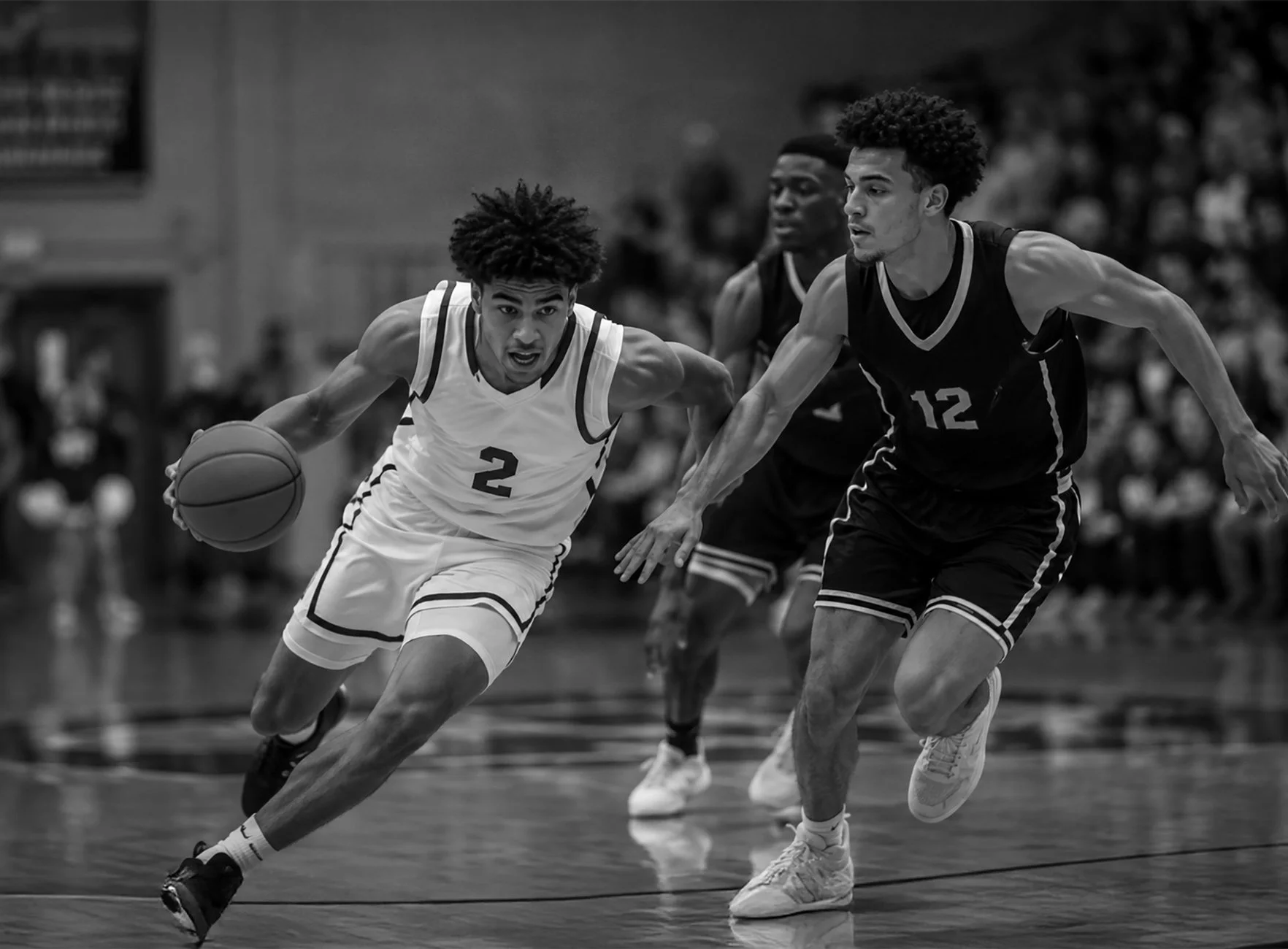
Whether it's a quarterback reading coverage, a tennis player anticipating a passing shot, or a basketball point guard recognizing a defensive rotation, mental agility influences how quickly information becomes action.
Research has consistently found relationships between visual skills, executive function, and elite sporting performance, suggesting that high-level athletes process information differently than less experienced performers.
Key research
-
Diamond, A. (2013). Executive functions. Annual Review of Psychology.
Miyake, A., et al. (2000). The unity and diversity of executive functions.
-
Vestberg, T., et al. (2012). Executive functions predict success in elite soccer players.
Vestberg, T., et al. (2017). Core executive functions are associated with success in soccer.
Huijgen, B. C. H., et al. (2015). Cognitive functions in elite youth soccer players.
-
Baddeley, A. (2012). Working memory: Theories, models, and controversies.
Sánchez-Vincitore, L. V., et al. (2024). Cognitive decline monitoring through a web-based application.
-
Tombaugh, T. N. (2004). Trail Making Test A and B: Normative data stratified by age and education.
Arango-Lasprilla, J. C., et al. (2017). Trail Making Test: Normative Data for the Latin American Spanish-speaking Pediatric Population.
-
Isherwood, S. J. S., et al. (2021). Cortical and subcortical contributions to interference resolution and inhibition. NeuroImage.

05 — Calm Under Pressure
Performing when the stakes are highest.
Every athlete experiences pressure.
The difference is how effectively the nervous system responds.
As physical and mental demands increase, the brain must regulate attention, maintain decision-making, and control movement while managing stress and fatigue.
Elite performers aren't necessarily calmer—they're often better at regulating their level of arousal so they can continue performing at a high level.
Modern neuroscience has shown that physiological signals such as pupil size and heart rate provide objective insights into cognitive workload, attentional effort, and autonomic regulation during demanding tasks.
Rather than relying solely on subjective questionnaires, these measures offer a window into how the nervous system responds when performance matters most.
Key research
-
Kahneman, D. (1973). Attention and Effort.
Beatty, J. (1982). Task-evoked pupillary responses, processing load, and the structure of processing resources.
Aston-Jones, G., & Cohen, J. D. (2005). An integrative theory of locus coeruleus–norepinephrine function.
Mathôt, S. (2018). Pupillometry: Psychology, physiology and function. Journal of Cognition.
Laeng, B., Sirois, S., & Gredebäck, G. (2012). Pupillometry: A window to the preconscious?
-
Shaffer, F., & Ginsberg, J. P. (2017). An overview of heart rate variability metrics and norms.
Laborde, S., Mosley, E., & Thayer, J. F. (2017). Heart rate variability and cardiac vagal tone in psychophysiological research.
Thayer, J. F., et al. (2012). A meta-analysis of heart rate variability and neuroimaging studies.
-
Hatfield, B. D., et al. (2004). Psychophysiology of superior sport performance.
Wilson, M. R., Vine, S. J., & Wood, G. (2009). The influence of anxiety on visual attention and motor performance.
Performance is never just one system.
Athletic performance is rarely limited by a single skill.
Every successful play depends on multiple brain systems working together.
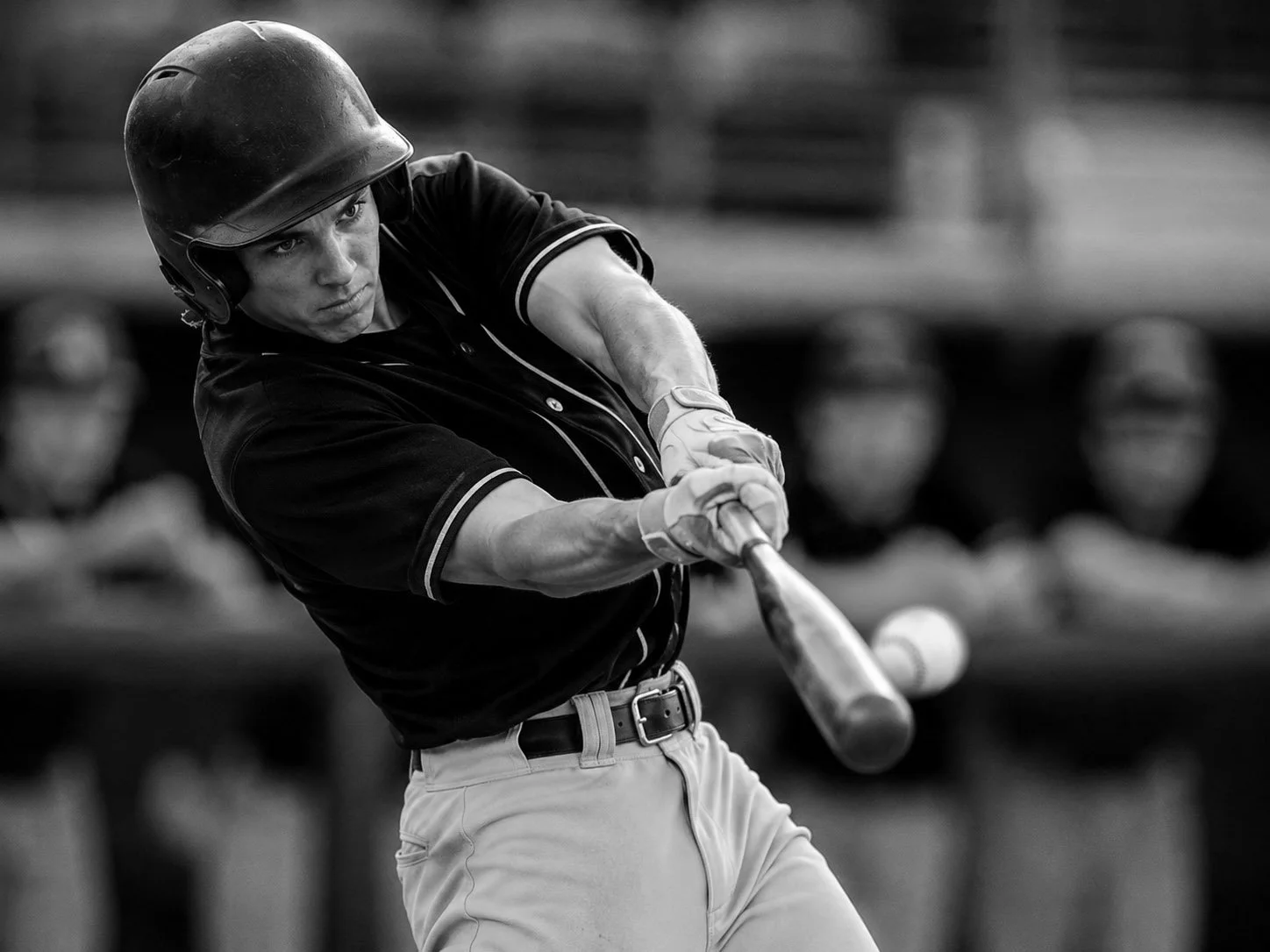
A baseball hitter tracks pitch movement while maintaining balance, processing visual information, timing a swing, and regulating attention—all within a few hundred milliseconds.
A hockey player reads developing plays while skating, maintaining visual stability, anticipating teammates, and making split-second decisions.
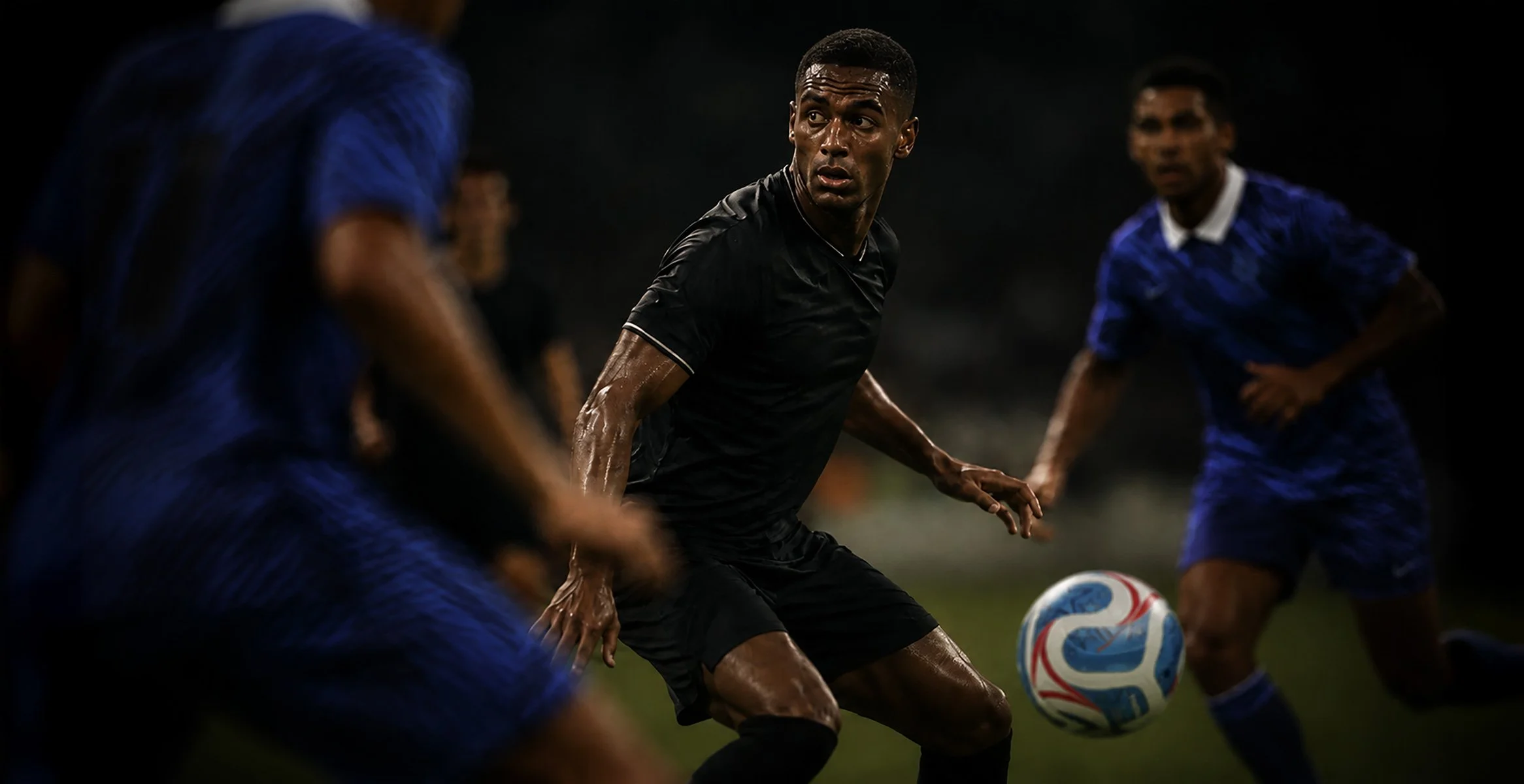
A soccer midfielder constantly scans the field, predicts movement, adjusts body position, and executes precise passes under pressure.
These systems don't operate independently—they work together as an integrated performance network.
That's the philosophy behind NeuroDrive.
Rather than measuring isolated abilities, NeuroDrive evaluates the core brain systems that support athletic performance, providing athletes, coaches, and organizations with objective insights to better understand, develop, and monitor performance over time.
Key Research
-
Kleim, J. A., & Jones, T. A. (2008). Principles of experience-dependent neural plasticity.
Ericsson, K. A., Krampe, R. T., & Tesch-Römer, C. (1993). The role of deliberate practice in expert performance.
Shatil, E. (2013). Does combined cognitive training and physical activity enhance cognitive abilities?
Reina-Reina, C., et al. (2023). Impact of a cognitive stimulation program on reading comprehension in children.
Appelbaum, L. G., & Erickson, G. (2018). Sports vision training.
Buscemi, A., et al. (2024). Role of Sport Vision in Performance: Systematic Review.